

When we hear ‘Yoga’ today, many picture difficult poses or just an alternative to the gym. But the experience of Yoga goes far beyond that – it’s much deeper and more profound. Embraced by millions worldwide, Yoga is an ancient Indian heritage, scientifically proven, deeply connected to nature’s five elements, and a holistic path that can enrich your daily life.
Let’s dive deeper into this amazing journey of Yoga and better understand its various facets.
1. Yoga’s Ancient Roots and Global Journey
Yoga originated in ancient India over 5000 years ago. From here, this profound knowledge spread across the globe, becoming a universal heritage today.
- Philosophical Foundation: The concept of Yoga is found in ancient wisdom texts like the Vedas, Upanishads, and the Bhagavad Gita. Maharshi Patanjali, in his ‘Yoga Sutras,’ systematically presented Yoga as the disciplined path of ‘Ashtanga Yoga.’ This includes eight limbs: Yama, Niyama, Asana, Pranayama, Pratyahara, Dharana, Dhyana, and Samadhi. The goal of these limbs was not just physical, but also mental and spiritual upliftment.
- From Tradition to Modernity: This knowledge, passed down through the Guru-Shishya (teacher-disciple) tradition, reached the Western world primarily through ‘Hatha Yoga’ (which focuses on physical postures). Today, Yoga has transcended all boundaries of geography, religion, or culture, becoming an integral part of millions of lives worldwide.
2. The Science Behind Yoga: Precise Effects on Body and Mind
The insights gained by ancient yogis through their experience are being continually validated by modern science. Yoga has proven its efficacy by standing the test of scientific scrutiny.
Impact on Mind (Neuroscience):
- Stress Relief: Yoga practice, especially breathing exercises (Pranayama), activates the body’s ‘parasympathetic’ nervous system. This reduces stress (Cortisol levels decrease) and calms the mind.
- Positive Brain Changes: Research shows that Yoga lessens the activity of the amygdala, the brain’s fear and anxiety center. It also increases neurotransmitters that promote peace (GABA) and happiness (Serotonin, Dopamine), while strengthening the prefrontal cortex (PFC), which is crucial for decision-making.
Impact on Body (Physical Health):
- Heart and Lungs: Yoga improves blood circulation, helps regulate blood pressure, and boosts lung capacity, leading to more efficient breathing.
- Muscles and Bones: Yoga postures (like Paschimottanasana or Bhujangasana) make muscles stronger and more flexible. Joint mobility increases, and body balance improves, helping to alleviate issues like back pain.
- Immunity: By reducing stress, Yoga decreases inflammation in the body and strengthens your immune system.
3. Yoga and the Panchamahabhutas: Balancing with Nature
According to Indian philosophy, our body and the entire universe are composed of Panchamahabhutas (five fundamental elements): Earth (stability), Water (fluidity), Fire (energy), Air (movement), and Space (emptiness). Yoga helps in achieving health and well-being by balancing these five elements.
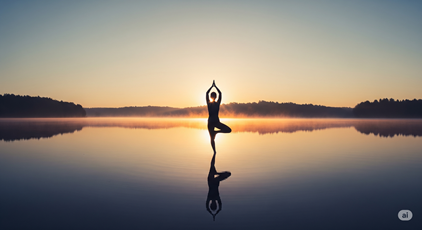
- Earth (Stability): Grounding poses like Tadasana (Mountain Pose) and Vrikshasana (Tree Pose) instill stability and strength.
- Water (Fluidity): Flowing sequences like Marjaryasana-Bitilasana (Cat-Cow Pose) or the continuous movements in Surya Namaskar (Sun Salutations) bring flexibility and fluidity to the body.
- Fire (Energy): Poses such as Navasana (Boat Pose) or Trikonasana (Triangle Pose) generate heat and energy within the body.
- Air (Breath): Pranayama is deeply connected to the air element; it regulates breath to bring peace to the mind. Asanas like Garudasana (Eagle Pose) integrate breath and balance.
- Space (Emptiness): Meditation and Savasana (Corpse Pose) cultivate a sense of openness and expansion within the mind.
By balancing these five elements, Yoga teaches us to live in greater harmony with nature and our own existence.
4. Why Is Yoga So Effective? (Experiencing Holistic Benefits)
Yoga’s effectiveness isn’t due to a single aspect, but rather the combined power of multiple factors:
- Self-Discovery and Empowerment: Through Yoga practice, you gain a deep awareness of your body’s subtle sensations, emotions, and thoughts. This boosts self-awareness and helps you face life’s challenges with increased confidence.
- Understanding the Body (Body Awareness): When you practice Yoga, you learn to better interpret your body’s signals. Each asana makes you aware of your muscle strength, flexibility, and limits. This leads to better self-care and responding to your body’s needs more effectively.
- Holistic Health: Yoga works not only on the physical but also on the mental, emotional, and spiritual aspects, leading to comprehensive well-being.
- Stress Relief and Mental Peace: Yoga is a powerful tool for managing the stresses of modern life.
5. Yoga with Gym: The Perfect Blend for Fitness
Many fitness enthusiasts today incorporate Yoga into their gym workouts. This combination makes your fitness journey even more complete.
- Flexibility and Mobility: While gym training builds muscle strength, Yoga enhances muscle flexibility and increases joint mobility. This improves the quality of your gym exercises.
- Injury Prevention: Yoga boosts body balance and awareness, which can significantly reduce the risk of injuries when lifting weights or performing other exercises at the gym.
- Muscle Recovery: Yoga’s stretching and breathing techniques are highly effective in alleviating muscle tension and soreness after a gym workout.
- Mental Focus and Concentration: Meditation and breath control in Yoga improve mental concentration, which is vital for achieving a strong ‘mind-muscle connection’ during gym sessions.
6. Why Embrace Yoga? (Some Misconceptions and Benefits)
If you’re wondering if Yoga is right for you, consider these points:
- “I’m not flexible!” – A Misconception: Many believe you need to be flexible to do Yoga, but that’s not true! Flexibility is a result of Yoga practice, not a prerequisite. You can start at any level.
- “Yoga is only for women or young people!” – A Misconception: Yoga is beneficial for individuals of any gender, age, or physical ability. Many Yoga styles can be adapted to suit everyone, from the elderly to athletes.
- “Yoga is a religion!” – A Misconception: While Yoga’s roots are spiritual, it is not a religion. It’s a path to physical, mental, and emotional health that helps you find inner peace and balance, respecting your religious or spiritual beliefs.
- Benefits in Daily Life: Yoga offers effective solutions for modern challenges like reducing digital strain, improving posture for those with sedentary jobs, alleviating chronic pain, or enhancing athletic performance.
Conclusion:
Yoga is more than just an exercise; it’s a holistic lifestyle. Its rich culture, scientific basis, connection to the Panchamahabhutas, its benefits when combined with other fitness methods, and its ability to deepen your self-understanding make it a truly comprehensive path.
Make Yoga a part of your life today and begin a new, more balanced, and joyful journey!
