
At info-n-tips.com, we love diving into the captivating world of cinema, and few figures cast a longer, more enchanting shadow than Charlie Chaplin. More than just a name, he’s synonymous with a golden era of film making, a true legend who transformed simple laughter into a universal language, touching hearts across generations.
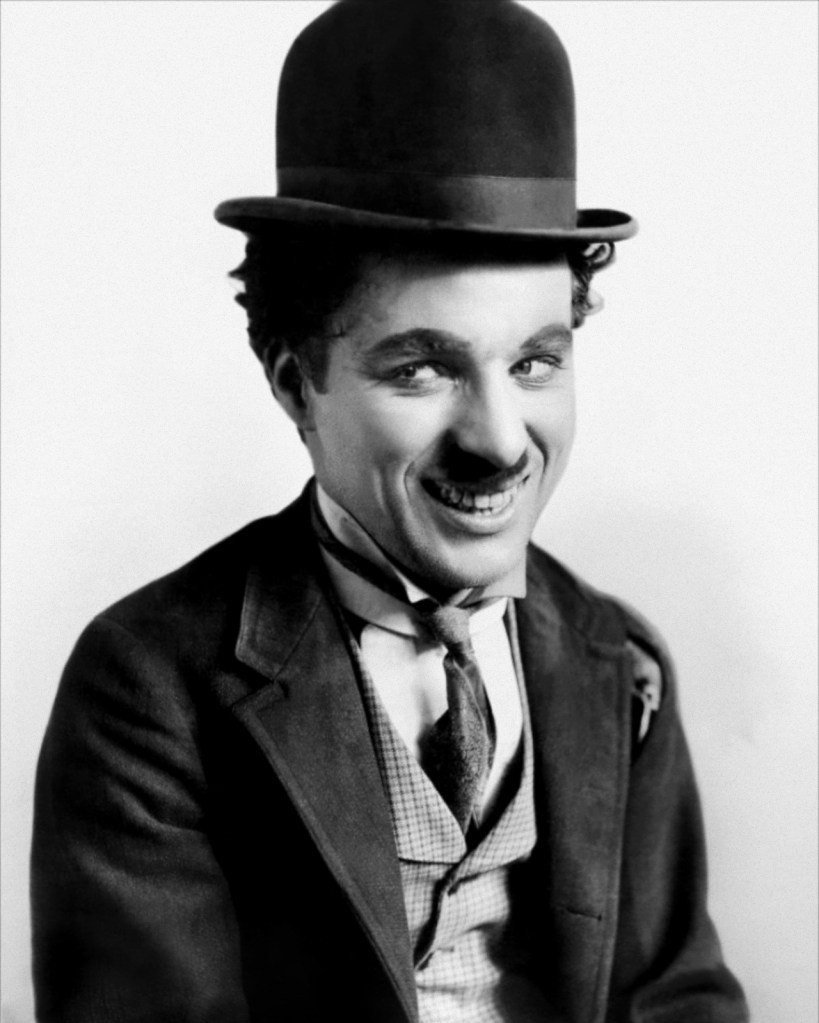
Born into poverty in 1889, Sir Charles Spencer Chaplin defied immense odds. He transformed his challenging beginnings into the inspiration for “The Tramp,” an iconic character who, with a mere cane, baggy pants, and an inimitable walk, became a global cultural phenomenon. “The Tramp” wasn’t just funny; he embodied resilience, a dignified underdog navigating a complex world with unwavering optimism.
Chaplin was a visionary well ahead of his time. He wasn’t content just acting; he was the ultimate cinematic auteur – writing, directing, producing, and even composing the unforgettable music for his films. He masterfully used the silent film medium to tackle profound themes: social injustice, the daily struggles of the common person, and the enduring power of hope. Classic Charlie Chaplin movies like City Lights and Modern Times aren’t merely comedies; they are timeless masterpieces that resonate even today, reminding us of our shared humanity and the indomitable spirit within us all.
Chaplin’s incredible journey reminds us that creativity knows no bounds. Even in the face of immense adversity, one can find their unique voice and leave an indelible mark on the world. His unparalleled legacy continues to inspire filmmakers and artists alike, proving that a blend of humor and a whole lot of heart can truly change the world.
Charlie Chaplin’s Masterpieces: Must-Watch Classic Films for Every Movie Buff
Curious where to start your Charlie Chaplin movie journey? Here are some of his most celebrated works that every film enthusiast should experience:
- The Kid (1921): A Heartfelt Silent Film Classic Prepare for a beautiful blend of laughter and tears! This film is a heartwarming tale of the Tramp’s unexpected bond with an abandoned baby he adopts. It showcases Chaplin’s unparalleled ability to fuse slapstick comedy with deep emotional resonance, creating a story of an unlikely family navigating poverty and fighting to stay together. It’s the epitome of Chaplin’s goal: “a picture with a smile – and perhaps, a tear.”
- The Gold Rush (1925): Adventure, Comedy & The Tramp’s Optimism Chaplin himself cherished this silent film above all others. Join the Tramp on a perilous adventure as a prospector during the Klondike Gold Rush. Witness iconic scenes like the hilarious shoe-eating sequence and the charming “roll dance.” It’s a brilliant mix of comedy, survival, and romance, highlighting the Tramp’s unwavering optimism even when faced with blizzards and starvation.
- City Lights (1931): A Poignant Silent Era Gem Released when talkies were dominating, City Lights defiantly remained silent, proving the power of visual storytelling. This deeply moving romantic comedy follows the Tramp as he falls in love with a blind flower girl who mistakes him for a wealthy man. His selfless and often hilarious attempts to help her regain her sight lead to one of cinema’s most famous, tear-jerking, and utterly unforgettable endings.
- Modern Times (1936): Charlie Chaplin’s Social Commentary Film More relevant than ever, Modern Times is a powerful, witty critique of industrialization and the Great Depression. Watch as the Tramp struggles to keep pace with relentless factory machinery, leading to chaotic and side-splitting sequences. Though largely silent, it ingeniously incorporates sound effects and and features Chaplin’s voice in a memorable “gibberish song,” reflecting the uneasy transition to sound film.
- The Great Dictator (1940): Courageous Satire & A Timeless Plea for Humanity Chaplin’s first full “talkie” was a bold and courageous move: a searing satire of Adolf Hitler and the rise of fascism. Chaplin brilliantly plays a dual role – a kind Jewish barber and the tyrannical dictator “Adenoid Hynkel.” This film fearlessly confronts hatred and totalitarianism, culminating in one of cinema’s most powerful and direct addresses to the audience – a timeless plea for peace, compassion, and humanity that resonates deeply today.
The Unconventional End to Charlie Chaplin’s Legendary Career
Charlie Chaplin’s influence spanned over 75 years, from his early days in English music halls to becoming a global cinematic icon. He pioneered the concept of complete creative control, co-founding United Artists to bring his unique vision to the screen.
However, the twilight of his active filmmaking career was marked by challenging circumstances. In the mid-20th century, amidst the Cold War and the McCarthy era in the United States, Charlie Chaplin became an unfortunate target. His progressive social views and the themes in his films led to widespread, unfounded accusations of communist sympathies. Despite being a long-term resident, he never sought US citizenship, which further fueled suspicion.
Adding to the pressure, his personal life, including highly publicized legal battles (like a paternity suit later disproven by science) and marriages, became fodder for intense public and media scrutiny.
These converging pressures reached a peak in 1952. While Chaplin was traveling to London for a film premiere, the US Attorney General dramatically revoked his re-entry permit, effectively barring him from returning to the country that had been his creative home for decades. This forced him and his family to permanently relocate to Switzerland.
After his de facto exile, Chaplin made only two more films: A King in New York (1957), a satirical look at American society from an outsider’s perspective, and A Countess from Hong Kong (1967), his only film in color, which didn’t achieve the success of his earlier works.
While his active directorial career waned in his later years due to these difficult circumstances, his immeasurable artistic legacy was eventually recognized and celebrated. In a poignant moment, he returned to the US in 1972 to accept an honorary Academy Award, a powerful acknowledgment of his unparalleled contribution to cinema. Charlie Chaplin passed away in 1977, leaving behind a body of work that continues to captivate and inspire.
Don’t forget to share your favorite Charlie Chaplin movie in the comments below! What impact did his films have on you?
